


A Return to Volunteering
They say life comes full circle, but I prefer to think of it as a spiral—you return to the same place, just a little higher up and hopefully with a better view. After three decades or more of the highs and lows of being a voluntary sector CEO, I’ve moved to hang up the executive hat and step back into the world where I began: as a volunteer.
Mud and Rags
My start in this world wasn't exactly corporate or polished. It began at Cambridge University, running the charity "rag" alongside John Penrose (later an MP and Tourism Minister). We were young, idealistic, and willing to do almost anything for a cause. This included a mud wrestling match with my friend Kate to raise funds (she raised more than I did).
By the age of 24, I was balancing a "day job" with a role as a local volunteer organiser and national trustee for an aid agency. That experience gave me the confidence to ditch the traditional path and step into the voluntary sector for good as an employee.
I kept going with volunteering throughout my career, including other Board roles, but my time was focused on a voluntary sector day job.
The Pilotlight Perspective
My final executive stop was as CEO at Pilotlight, a wonderful social enterprise sitting at the intersection of business expertise and charity ambition. There I saw the power of "skills-based volunteering". Each year, we would work with up to 150 small charities. All different, but I could see first hand how professional skills and experience could transform their prospects.
I also saw how those same volunteers gained from the experience – with measurable improvements in what are termed their ‘power skills’ - the ability to adapt, relate, and collaborate. It is early days, but I see how this evidence is now helping to transform workplace volunteering, converting it a perceived cost to a proven investment for business skills. Indeed, research from Pro Bono Economics shows these schemes can deliver up to £3.60 of business benefits for every £1 spent.
Take the current Artificial Intelligence revolution. Most charities look at AI and see a price tag they can’t afford. But at Pilotlight, now ably led by Lisa Pearce, I watched volunteers use their high-end corporate AI platforms to do a week's worth of market insight or marketing material development in a single morning. In the right context, even without major spend, AI can massively enhance the value of volunteers.
Digital Trustees: The Secret Sauce
On a technology note, one of the most heartening trends I’ve seen is the rise of the digital trustee. Back in 2019, only about a third of charities had a strategic approach to digital; by 2023, that was nearly half. This shift didn’t happen by accident. It happened because charities realised they could attract volunteer experts to their Boards—people they could never hope to pay a market salary—who act as "guardians of purpose". These volunteers bring the outside perspective needed to "up-skill" charity employees and equip the organisation for the future.
A voluntary portfolio
I moved into retirement in late 2026 and it turns out that I’m not yet slowing down, I’m just changing my focus. I’ve taken on five Director roles, including:
- Chair of RUSS: An inspiring community housing project in South London.
- Trustee of Charity Excellence: which recently launched free AI training that saw 3,000 charity participants in its first month alone
- AFC Wimbledon: Conducting a governance and elections review for this leading fan-owned football co-op.
Too much? Maybe. For now, I love the idea that retiring is actually ‘rewiring’—staying active and useful.
The biggest challenge now is the ‘portfolio’ juggle. When you aren't in one work setting every day, it is a shift for me to switch context. So, the best advice I have received is simple: use a different notebook for every organisation. It sounds simple, but when it’s been three weeks since your last meeting, opening that specific set of notes puts your brain back in the right room.
A guide to skills-based volunteering
My parting act at Pilotlight was to compile the UK’s first comprehensive guides to skills-based volunteering.
Whether you are:
- An individual looking to share your professional expertise.
- A charity needing a coach, consultant, or trustee.
- A business wanting to support your staff in "learning by doing good".
These guides are for you. They share tips from others in the field – charities who have come together through a powerful network, the UK Pro Bono Association. And to support good quality, they also point out the key risks and common pitfalls – the ‘pro bono no nos’.
With charity finances tighter than ever, the potential for volunteering is all the more striking. I calculate that if every UK employee who wanted to volunteer their skills was supported to do so for just one hour a week, the financial benefit to the charity sector would be six times the value of all current UK business cash donations.
So a return to volunteering for me is not a step back. It is an adventure and an opportunity.
Skilled volunteers are "rewiring" their time and are part of a movement that isn't just giving back—it's building a more resilient, inclusive and connected society. It is a privilege to keep on learning.
Trust me, even without the mud wrestling, the return to volunteering is a joy.
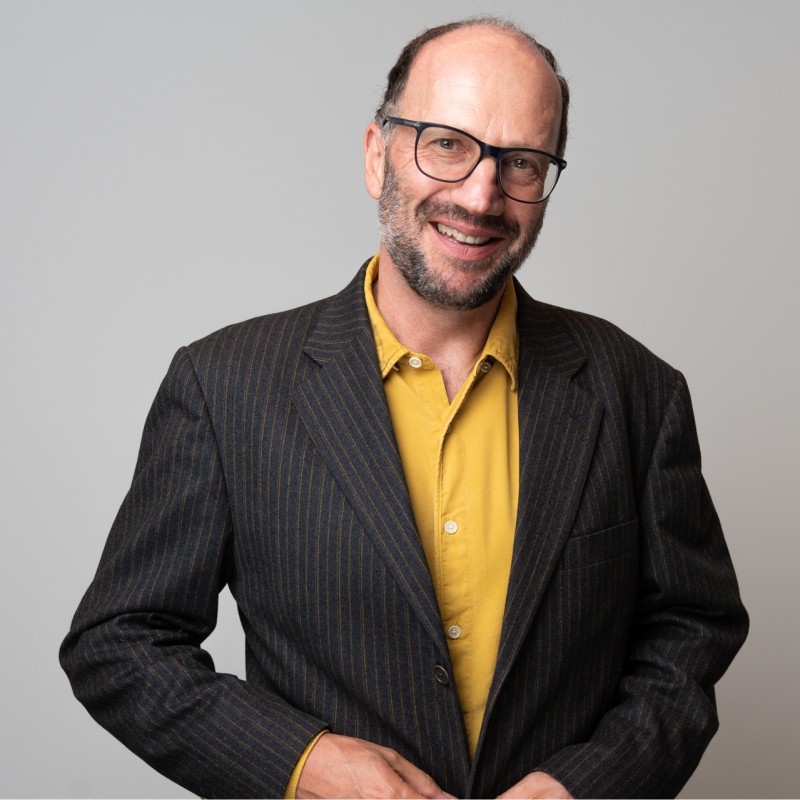
Ed Mayo
Ed is a former chief executive of the charity Pilotlight. He is co-author of the book Consumer Kids, and is involved in a range of organisations and enterprises that promote a fairer and more sustainable economy.
Ed was awarded an MBE for charitable services in the 2005/2006 New Years Honours List.
Contact us
Follow us on Twitter


Explore

Undergraduate
Postgraduate
Policy
-
Follow us on Social media
-


