
Introduction - Equity, Diversity and Inclusion Strategic Plan (Light)
1. Introduction

The Equity, Diversity and Inclusion (EDI) Strategic Plan replaces the Open University’s 2022 Institutional Equality, Diversity and Inclusion Plan and Equality Scheme for England, Wales, Scotland and Northern Ireland, bringing our EDI “why” and “how” into a single document. The Plan sets out how The Open University (OU) will embed equity, diversity and inclusion across our culture, systems, policies, practices and behaviours. It signals a strategic shift from a focus on equality, understood as providing the same support to everyone, to a focus on equity, understood as recognising different needs and responding through targeted, contextualised action to advance inclusion.
EDI is everyone’s responsibility. Lived experience must inform decision-making, but responsibility for change does not sit with minoritised colleagues and students. We all have a role to play in creating an inclusive university where people feel they belong, are treated with dignity and respect, and can thrive.
The Equality Scheme for Northern Ireland complements this Strategic Plan by outlining the statutory processes and commitments that apply specifically within the Northern Ireland context.
For the purposes of this strategic plan and our wider work, we incorporate accessibility under the heading of Inclusion and use the widely recognised term EDI, with E standing for equity rather than equality. This reflects our intentional strategic focus on equity.

Professor Allán Laville
PVC-EDI
1.1 Our context

The OU was created to widen access to higher education and promote social justice. We are a UK-wide university with a global reach, the biggest university in the UK, a leader in open education, and the largest UK provider of higher education for disabled people.
Our mission is to be open to people, places, methods and ideas. Our EDI work helps us remove barriers to learning, employment and participation and supports our wider commitment to social justice.
Our vision is to offer life-changing learning that meets people’s needs and enriches society. Our core values are to be inclusive, innovative and responsive.
Our student and staff communities include people from a wide range of backgrounds, lived experiences and circumstances meaning EDI work is central to what we do.
We want everyone who works or studies with us to:
- feel that they belong at the OU
- be treated with dignity, fairness and respect
- be able to flourish and reach their potential, free from unlawful discrimination, harassment and victimisation
1.2 Our legal duties
As a public body operating across the four nations of the UK, the OU has important statutory duties relating to equality and human rights.
These include the Public Sector Equality Duty under the Equality Act 2010 across England, Scotland and Wales, and Section 75 duties under the Northern Ireland Act 1998.
The Access and Participation Plan (APP) is also a legal requirement and condition of registration with the Office for Students (OfS). It supports students from minoritised backgrounds in accessing higher education and achieving equitable outcomes.
This EDI Strategic Plan shows how we will meet these legal duties by embedding EDI best practice and committing to the priorities of the Access and Participation Plan (APP) to inform the way we teach, support students, employ people, partner with others and manage our organisation.
1.3 Why EDI matters at the OU
EDI is central to the OU’s mission to make higher education open and accessible to people who might otherwise be unable to access it. Openness must be matched by equity, so that everyone, regardless of background or circumstances, can thrive.
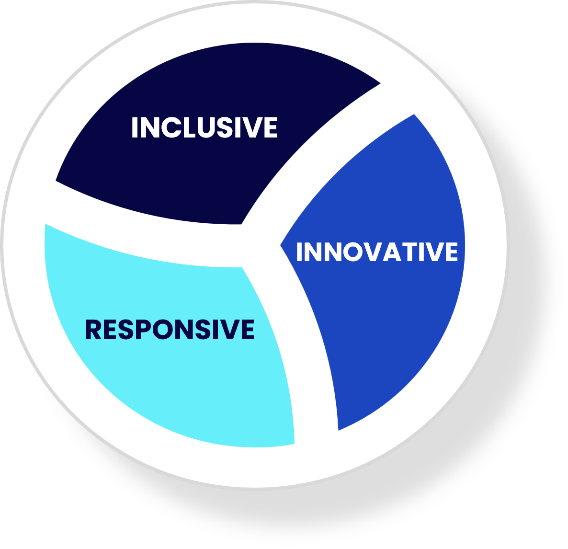
EDI is reflected in our values of being inclusive, innovative and responsive. We want everyone who works or studies with us to feel they belong, be treated with dignity and respect, and be able to reach their potential free from discrimination, harassment and victimisation.
EDI is everyone’s responsibility. Real cultural change will only happen if EDI is embedded as core work across the whole institution, not delegated to a single team or particular groups.
The EDI Strategic Plan supports the 2027–2032 University Strategy, particularly themes 1 and 2: Creating societal impact and Supporting student success, and the People and Culture enabler. Our actions will continue to evolve and remain aligned with these priorities.
1.4 PVC-EDI Office: who we are and how we work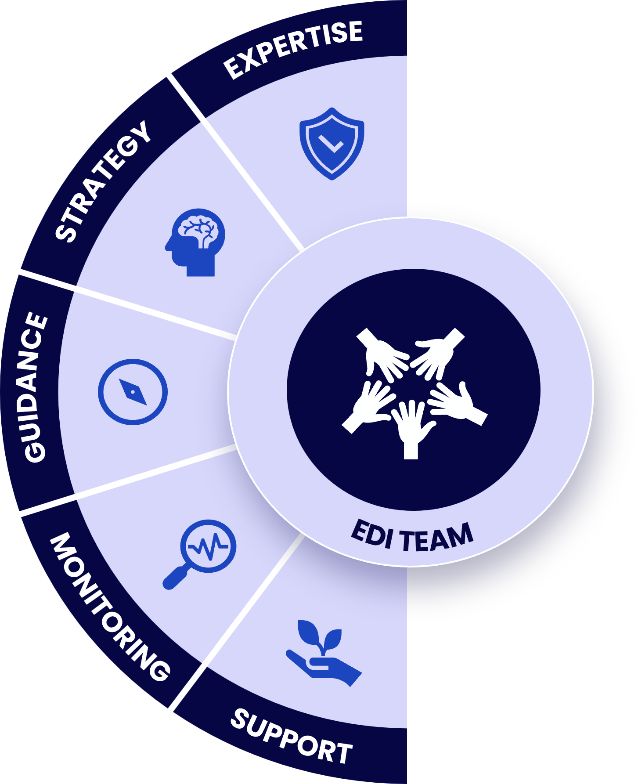
The PVC-EDI Office is the University’s hub for equity, diversity and inclusion expertise. We turn OU-wide commitments into practical approaches that work across different parts of the institution. The Office is made up of two distinct but connected teams: the EDI Team and the APS (Access, Participation and Success) Team.
We do not “own” EDI. Instead, we enable the wider University to deliver EDI through their roles, decisions and local plans.
The EDI team does this by providing specialist expertise, strategic direction, practical guidance, monitoring and support.
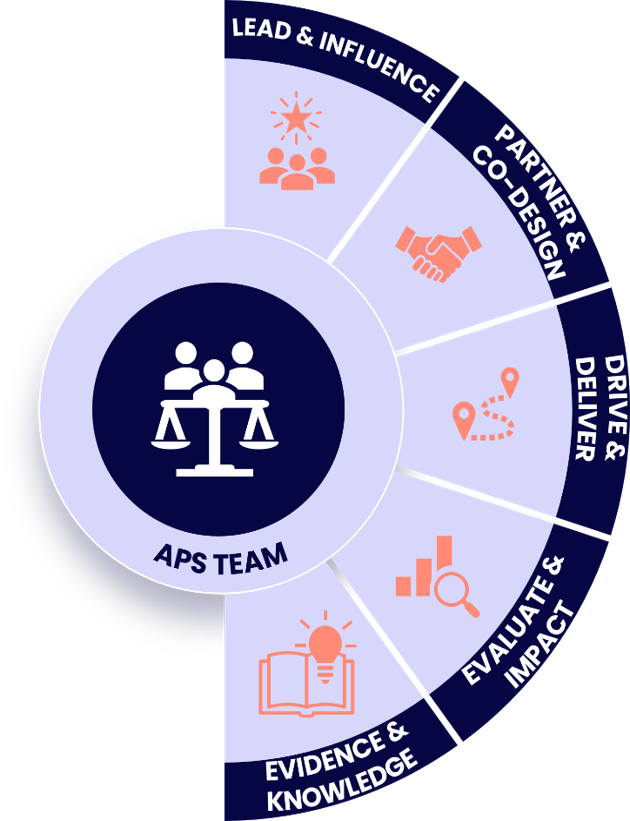
The APS Team leads the delivery of the Access and Participation Plan (APP) through an evidence-informed work focused on reducing inequity for APP-prioritised students.
The Office works in partnership with faculties, units, staff networks, Trade Unions, the Students Association and other representative groups supporting local EDI actions, helping faculties and units to integrate EDI and APP priorities into policies, processes and projects and learning from and recognizing the value of lived experience and expertise across the OU.
The Office does not lead on specific areas, such as individual staff or student cases, and operational student support and related administrative processes. These sit with the relevant people management or student support teams.
For more information, staff can visit the EDI intranet page.
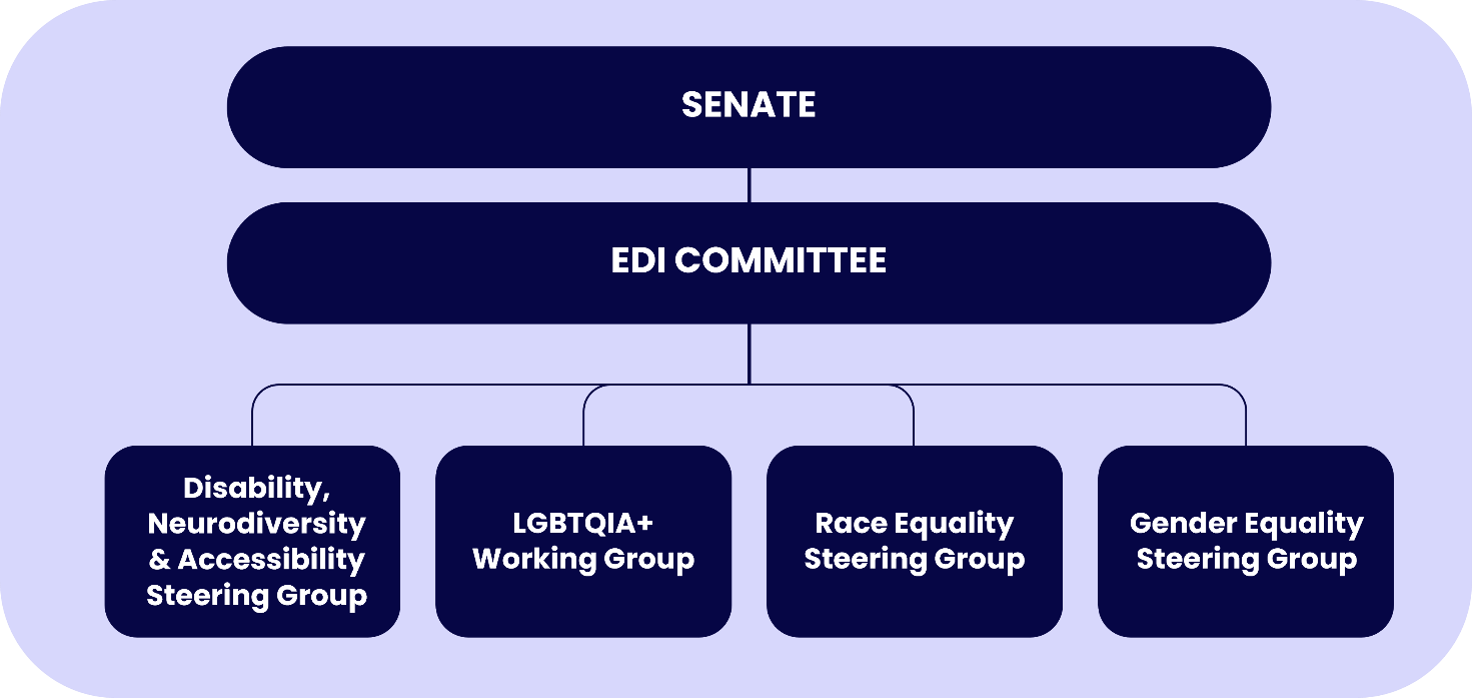
1.5 EDI governance
The image below illustrates the University’s current EDI governance structure. This structure is under review, in light of the wider institutional governance review and the expansion of the PVC-EDI Office.
Contact us
Equality, Diversity and Inclusion
The Open University
Walton Hall
Milton Keynes
MK7 6AA
Email [email protected]


Explore

Undergraduate
Postgraduate
Policy
-
Follow us on Social media
-


