
Issue 16 (2025)
Caridad Svich
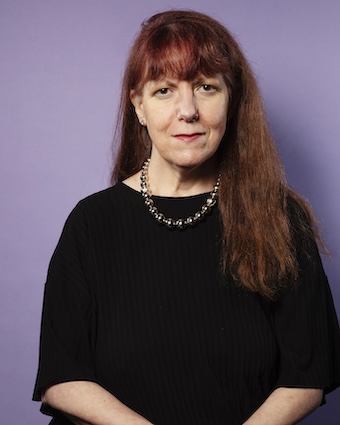
Caridad Svich is a US-based playwright, songwriter, editor, educator and translator of Cuban-Argentine-Spanish-Croatian descent. She is the author of over fifty plays, and the translator of dozens of works of Spanish-language literature. Her work centres on environmental and human rights, examines the poetics and politics of resistance, and often radically reconfigures the classics. She has received numerous awards, including the Dramatists Guild Flora Roberts Award in 2023, the ATHE Ellen Stewart Career Achievement in Professional Theatre Award in 2018, the Tanne Foundation Award in 2018, and the OBIE Award for Lifetime Achievement in 2012. She was a Guggenheim Fellow in Drama in 2024. She teaches at Rutgers University-New Brunswick, NYU School of Professional Studies, and the Einhorn School of Performing Arts.
This interview with Christine Plastow took place in January 2025.
Márcia Limma
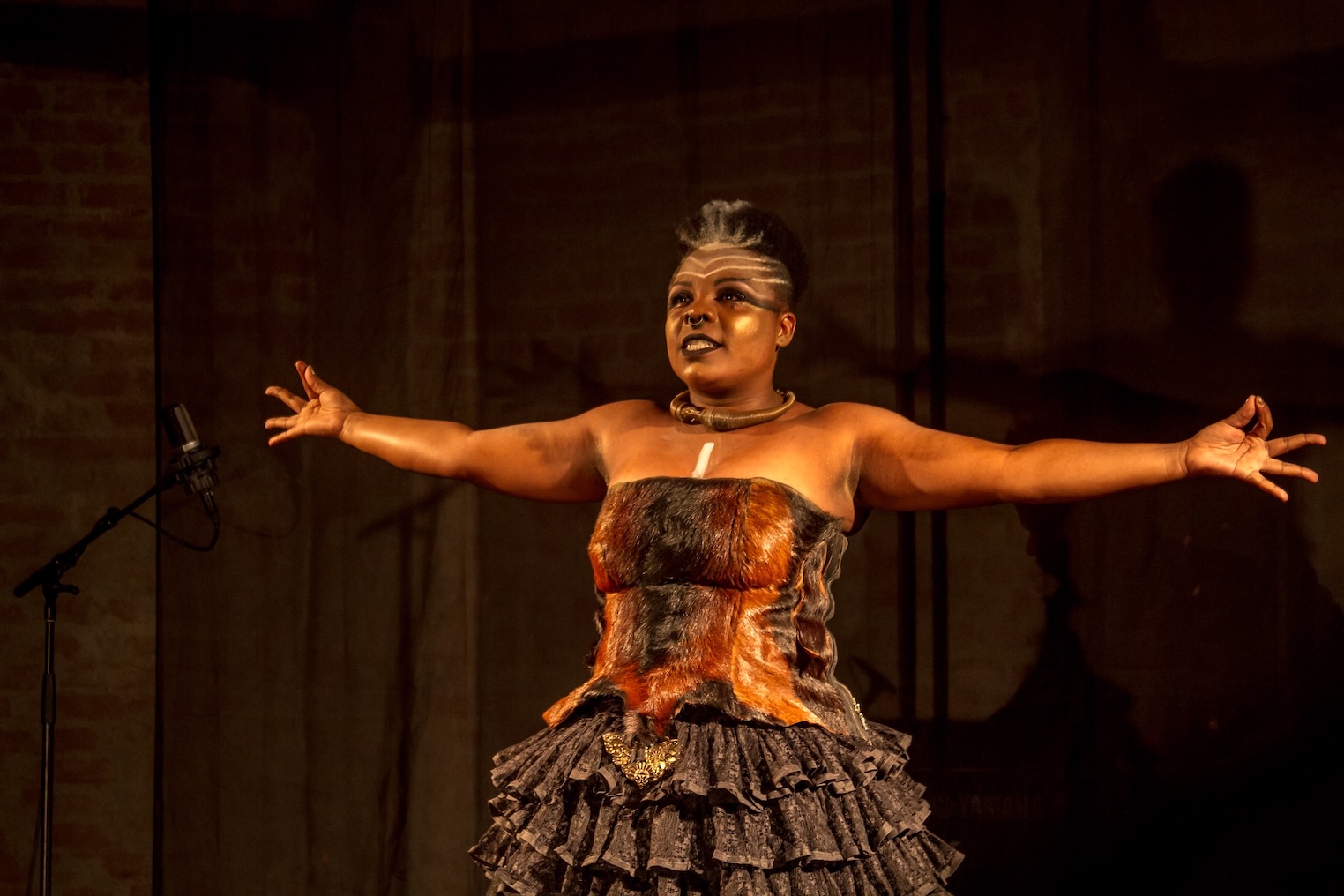
Márcia Limma is an award-winning actress, singer and cultural producer. She has a Masters in Performing Arts from the Federal University of Bahia (Brazil), and her professional career spans over two decades. She is a founder member of Brazilian theatre group Grupo Vilavox, and has collaborated with a number of other important Brazilian collectives and directors.
Médeia Negra (‘Black Medea’) is a 2019 solo performance that was made in Brazil and subsequently staged worldwide. Márcia Limma played the solo and produced the performance together with Márcio Maciano, Daniel Arcades and Tânia Farias. In this interview, Limma explains how the performance uses the ancient Greek figure of Medea to discuss the social difficulties and hardships facing black women in contemporary Brazil. She also discusses how her performance fuses Medea with many Afro-Brazilian elements, such as the ‘orixás’, spiritual figures living in the human world, which were part of a religious practice that arrived in South America from West Africa via the transatlantic slave trade.
This interview was conducted in Portuguese by Larissa Lemos and edited by Maarten De Pourcq.
Tamsin Shasha
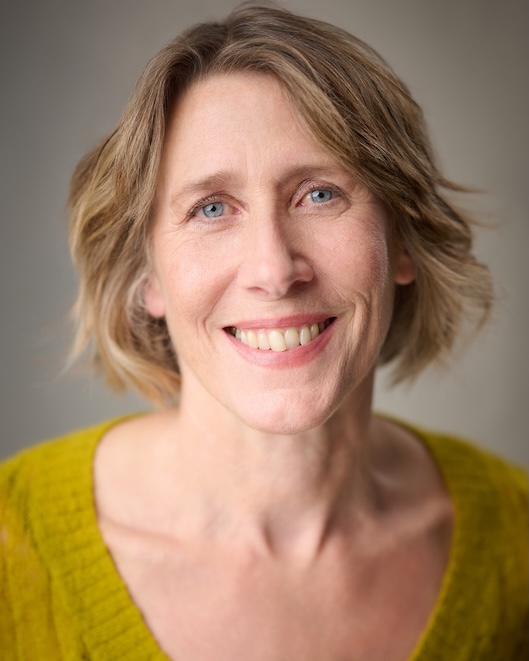
Tamsin Shasha is Artistic Director of Actors of Dionysus (aod) and an award-winning performer, writer and director. She trained at Oxford School of Drama, Ecole Philippe Gaulier and National Centre for Circus Arts. She joined Actors of Dionysus in 1993, after performing in their inaugural production of Hekabe (written and directed by David Stuttard) before establishing them as both a registered charity and limited company in 1994. She has directed many productions for aod including Christopher Adams futuristic version of Antigone, her self-penned Savage Beauty and Trojan Women (adapted by David Stuttard). She has collaborated with leading theatre practitioners including Marcello Magni, Thea Nerissa-Barnes, Helen Tennison, John Nicholson and George Mann. Tamsin has also played many tragic and comic roles for the Actors of Dionysus company including Medea, Antigone, Dionysus and Lysistrata. More recently she is known for delivering the #DailyDose of Greek and Latin literature during the Covid lockdown. Tamsin is currently redeveloping a new semi biographical solo show called Forgive Me about autism, gaming and her own lately diagnosed ADHD.
This interview with Lorna Hardwick (Emerita Professor at The Open University and founder of Practitioners’ Voices in Classical Reception Studies) was conducted via email in the spring and summer of 2025.
Franco Gracco
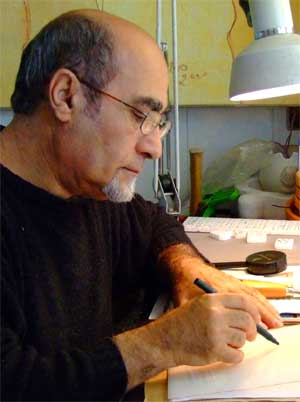
Franco Gracco was born in 1945 in Pinerolo (Turin). He moved with his family to Pompeii as a child and grew up in the shadow of Vesuvius and the ancient ruins. His artistic language is rooted in the techniques and styles of ancient Roman frescoes, and his work reinterprets classical motifs through the lens of Christian spirituality and the local Vesuvian landscape. Over the course of his long career he has exhibited in Milan, London, New York, Tokyo and beyond, while remaining deeply tied to Pompeii, where he founded an art school in 1974 and later established the Gracco Museum of Contemporary Art and Photography. His studio-gallery near the Villa of the Mysteries exhibits both his own works and those of other contemporary artists who share an interest in the dialogue between antiquity and modernity.
This interview with Jessica Hughes was recorded in December 2024 at the Museo Gracco, Pompeii.


Explore

Undergraduate
Postgraduate
Policy
-
Follow us on Social media
-


