
Nurture Provision at Ysgol Y Bedol
By Maria Morgan, Learning Support Assistant and Lead of Nurture Provision, Ysgol Y Bedol
September 2025
Two years ago, Ysgol Y Bedol established a nurture provision in response to rising exclusion rates and increasing difficulty in meeting the needs of a group of six pupils. Each learner presented with complex profiles, including ADHD, autism, trauma, and experiences of ACEs. To address this, the school appointed a Level 3 Teaching Assistant (TA) to run the provision and invested in transforming a classroom into a safe, nurturing, and dedicated space tailored to pupils’ social, emotional, and sensory needs.
The financial cost of the provision over two years was £56,607, reflecting both staffing and resourcing. This investment was significant for a primary school but seen as essential to breaking the cycle of exclusion and disengagement.
Prior to the intervention, exclusion rates were unsustainable. Over a 24-month period, the six pupils collectively missed 12 days through fixed-term exclusions, with some at risk of permanent exclusion. This disrupted learning, strained staff capacity, and created anxiety for families.

The nurture provision offered a smaller, structured environment in which wellbeing and regulation were prioritised alongside academic learning. The TA worked in close partnership with class teachers to ensure continuity in core subjects, so pupils continued to experience appropriate levels of challenge. At the same time, a parallel focus on wellbeing was embedded through outdoor learning, cooking, and art projects, which promoted resilience, teamwork, and creativity.
Parental engagement was a cornerstone of the approach. Families were involved from the outset, contributing to planning and reviews, which built trust and consistency between home and school. Pupils themselves were supported to develop their voice in decision-making and reflect on their progress.
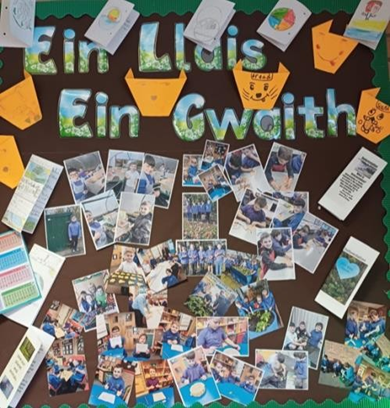
The outcomes over two years were striking. Since joining the provision, none of the pupils have been excluded, in contrast to the pattern before. Pupils showed improved regulation, greater ability to resolve conflict, and stronger, more sustained peer relationships. They were also able to reintegrate into mainstream lessons for increasing proportions of the week.
At the point of transfer to secondary school, all six pupils were making good or better progress academically. Transition feedback highlighted increased self-esteem, improved readiness for learning, and better social skills.
Recommendations
Evaluation of the provision highlights clear long-term benefits but also points to future priorities. To ensure sustainability, nurture provision should be embedded as a permanent feature of the school, with opportunities to support pupils earlier in their journey. Developing targeted support lower down the school could reduce escalation and prevent difficulties from becoming entrenched.
Alongside this, continued professional development for staff is essential, with a focus on trauma-informed practice, behaviour strategies, and ADHD/ASD awareness. This will strengthen whole-school capacity and ensure the principles of nurture are embedded consistently across classrooms.
In summary, the £56,607 investment has not only prevented exclusions but also transformed outcomes for some of the school’s most vulnerable pupils. The approach provides a replicable model for schools.
Gofynnwch am eich prosbectws
Darllenwch am ein cymwysterau a’n cyrsiau drwy ofyn am brosbectws heddiw


Explore

Undergraduate
Postgraduate
Policy
-
Follow us on Social media
-


