
News
New ESA-funded planetary protection project launches
We're delighted to announce a new research project funded through ESA's Open Space Innovation Platform (OSIP). This project advances the development of a Probabilistic Risk Assessment (PRA) model for planetary protection requirements for Mars missions.
New publication from AstrobiologyOU
A new study led explores the microbial communities living in Lake Karum, Ethiopia, one of the world's most saline lakes, and the surrounding salt flats. By studying the DNA of these microbes, researchers were able to explore how they survive in conditions that would be hostile to most life on Earth.
Icy Worlds Research Featured on BBC's The Sky at Night
Research by a team at The Open University was showcased in a segment on the BBC's long-running astronomy programme The Sky at Night, broadcast on 13 July.
Digital PCR: A Sensitive Approach for Measuring Microbial Contamination for Planetary Protection
We're delighted to announce that our new project, Digital PCR: A Sensitive Approach for Measuring Microbial Contamination for Planetary Protection, has been funded through the STFC R&D scheme and is now underway.
This project builds on a series of previous STFC-funded projects and research supported through Professor Karen Olsson-Francis' UK Space Agency Aurora Fellowship, advancing our efforts to develop new approaches for planetary protection and sample return science.
AstrobiologyOU academics reveal the hidden information in icy moon surface salts
Researchers from the Open University, working with colleagues from University College London and Diamond Light Source, have revealed in a new paper how seemingly simple salts on the surface of the Solar System’s icy moons can provide important clues about their interior workings.
MoonRISE: OU receives grant to unite experts to protect the Moon through sustainable governance
A new project, led by Dr Alessandra Marino, has received a grant with a value of £1.245m from UK Research and Innovation (UKRI) to trial an integrated governance approach to protect the Moon and its sites of interest. MoonRISE: Re‑Imagining Space Environments brings together a range of scholars from different disciplines to answer a pressing question: how do we safeguard the Moon at a time of intensified exploration?
Two new papers released
Two new research papers are offering insights into both the search for life beyond the Earth and the future of human activity on the Moon.
AstrobiologyOU researchers lead international advances in planetary protection
Open University researchers are leading international advances in planetary protection, helping ensure that space exploration is safe, sustainable, and scientifically rigorous. Their research is featured in a new thematic issue of Philosophical Transactions of the Royal Society A which brings together the latest international perspectives on preventing contamination in space and safeguarding Earth from extraterrestrial material.
Welcome to Oliver and Shun
We are thrilled that we have two new members of the team Shunsuke Nozaki (visiting PhD student) and Oliver Pattle (PhD student).
OU joins NBIC’s national biofilm research network
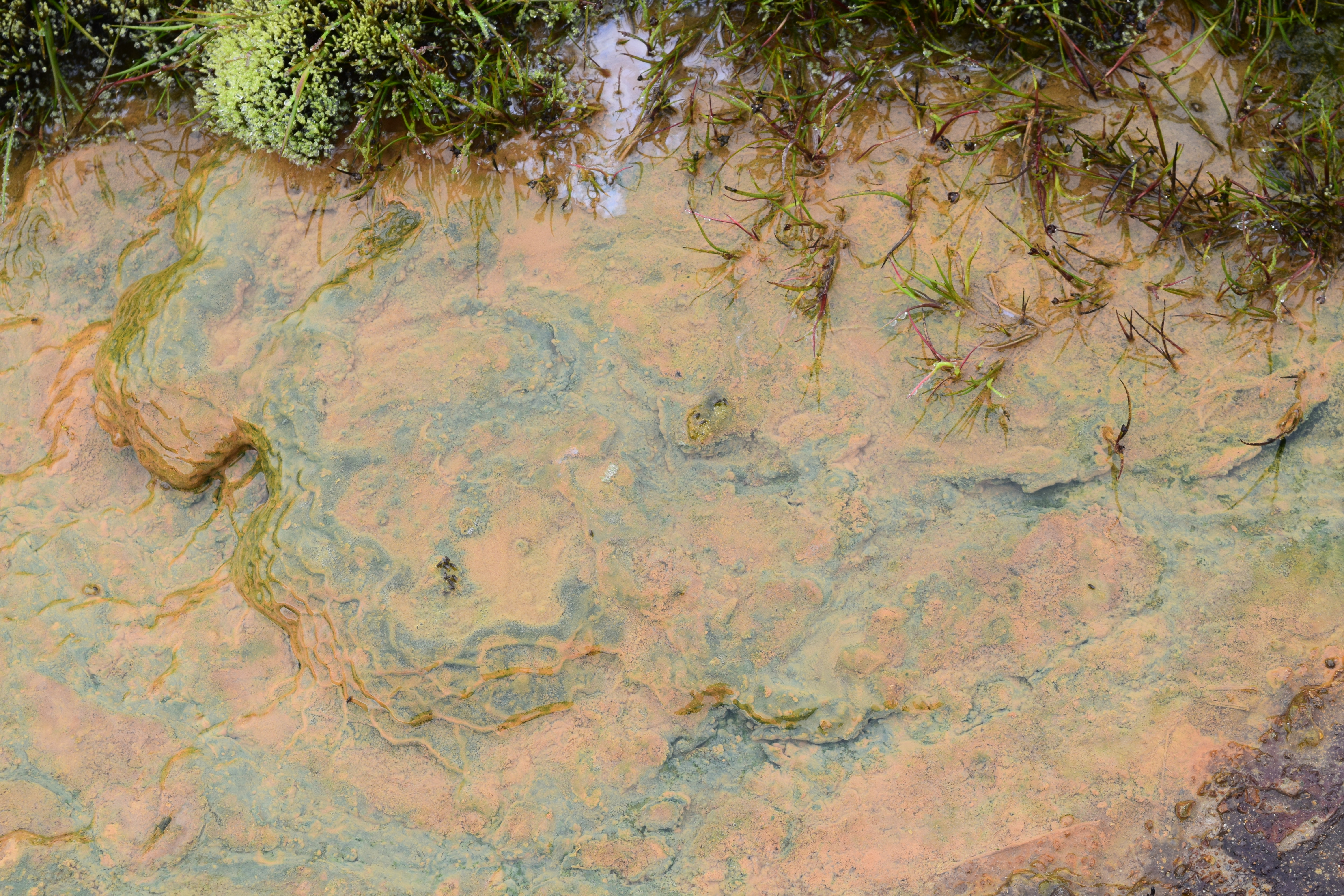
The Open University (OU) is proud to announce its inclusion in the National Biofilms Innovation Centre (NBIC) consortium as part of NBIC’s sixth accession round. This milestone sees 10 new UK universities and research institutions join NBIC’s growing network, reinforcing the UK’s position as a global leader in biofilm research and innovation.


Explore

Undergraduate
Postgraduate
Policy
-
Follow us on Social media
-


