
Studying as a dyslexic student
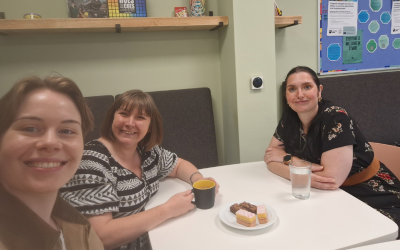
One thing we all have in common is that as children all of us have a vision or plan of how our life would turn out. How many of us can say that our life has turned out exactly how we planned it? For me the answer to that question is not even close, I was going to go to college, then university and become an Educational Psychologist. Then I started wondering where and when my actual life strayed from the plan I had for it. It’s not always easy to identify this point until you really think about it.
That point for me started in my school years. I seemed to be doing well in the classes but when it came to exams I was lucky to pass. Initially I thought nothing of it, as it could have been that I didn’t understand as well as I thought I did. The first really obvious sign of this was the 11+ exams. The terrifying ones before you go to high school. I honestly did a horrendous job. As soon as I left the exam hall, I knew I’d be lucky to pass it.
High school
Then we get to high school, as your group or set is decided by that dreaded 11+. I was in a set that that was very quickly identified as not where I should be. Good news, but still the exams were not my friend. The next exam horror in my future was SATs and then the almighty GCSEs. We’re conditioned to be extremely worried about GCSEs. As many teachers said, they’ll determine your life and what you can and can’t do. So, no pressure then for teenage me! Somehow, I got through them – just – then came college. Again, I seemed to understand during the lectures and have good results during assignments, but exams – nope – I could not pass for love or money. This led to me being forced to repeat a year that taught me what I already knew, so I dropped out.
The main reason I dropped out was not boredom, it was that I was left to feel however much I wanted a degree, I wasn’t smart enough to actually get it. Me getting a degree was only ever going to be a dream that would never happen. With time the question of why I could get such good marks throughout the year, and then terrible ones at exams, was something I forgot about as I lived my life.
It was when I started a new job role, my manager sat me down and asked me, “What do you have in place for your dyslexia?”. I looked at her confused as I hadn’t been diagnosed with it. She told me that she saw all the signs in me that she knows indicate dyslexia, and while I didn’t know before, I do now. After a long and emotional discussion, we worked out a plan to help and support me.
Probably one of the best decisions I ever made
This also prompted an honest conversation with my parents, where I found out that they were asked to have me tested. This was was over 20 years ago, and they refused back then. They did not want me to have, at that time, negative stigma of being dyslexic. However, as I told them, there is much more understanding of these types of conditions now, and it’s not an indicator of low intelligence, it just means I process things differently. I’m happy to say that after this conversation, my parents told me they’d support me with whatever I wanted to do about getting a diagnosis. With this in place, the thought of education and this hope for a degree came back into my mind.
I had nothing to lose, and it was probably one of the best decisions I ever made. The Student Support team reached out to me straight away to ask what I needed put in place to help me study. After explaining how my dyslexia and other health conditions impacted me, the team gave me some recommendations.
As we all do, I did some googling, and it came up with the Open University. I saw that they run Access modules for people who want a taste of what higher education is and how they deliver it. So I decided to sign up.
I had nothing to lose, and it was probably one of the best decisions I ever made. The Student Support team reached out to me straight away to ask what I needed put in place to help me study. After explaining how my dyslexia and other health conditions impacted me, the team gave me some recommendations. I needed to adjust this support, but knowing and understanding what I needed as a student was only going to be known as I studied.
As the Access module was going well and I was getting marks that truly reflected what I was capable of, I decided I had spent long enough imagining the elusive degree and it was now time to go for it. I knew I wanted to study Psychology– it was something that always fascinated me, so I decided to sign up for a Forensic Psychology degree. (Yes, I’m one of those people that enjoy watching true crime shows!)
With the start date of my degree approaching, the nerves and the self-doubt kicked in. Am I intelligent enough to get a degree, will I be able to cope and more importantly will I understand and learn the materials? At the start of each module, I reached out to my tutor to explain the support I need and why. They were incredibly understanding and supportive, which helped me no end. It’s very difficult to discuss the things that make studying harder for you, especially with a stranger. However difficult I found it, I’m glad I did. If my tutors didn’t know what help or support I needed, how could they provide it?
Don’t put off studying
I won’t lie my dyslexia does impact me and my studying, but I know how to manage it now and how to limit the impact it has on me as a person and a student. The tutors at the Open University are understanding and supportive. They truly want you to succeed and that means a lot, especially when you have had negative experiences with mainstream education. There are also amazing support groups that can help people in similar situations to yourself, and you can help each other. I joined the Disabled Student’s Group during my Access module. I felt like I have a whole family of people in similar situations to me who understand exactly what I’m dealing with.
Mainstream education isn’t for everyone, it’s not for me. This doesn’t mean I’m not intelligent, it means I process things differently and I need to learn in ways that work for me. It’s an encouraging and empowering thought as I’m about to start the second year of a degree I thought I would never be able to get - while working full time as well.
If you’re reading this, can see things you can relate to, I would say don’t put off studying. Or if you’ve already started, stick with it. It can be tough, but you will get through it, and you will achieve what you want to.
Request a prospectus
Explore our qualifications and courses by requesting one of our prospectuses today.
Rhodri Davies
Senior Communications Manager,
Telephone: 029 2167 4532
For general OU media enquiries please contact the press office -
Telephone: 01908 654316 /
Out of office hours: 07901 515891
Studying as a dyslexic student
In this blog one of our students, Becky, tells the story of how she discovered she was dyslexic, found the support she needed, and gained the confidence to start working towards a degree she once thought was out of reach.
New report highlights barriers facing refugee women in Wales
A major new report from The Open University and the Welsh Refugee Council has revealed the significant challenge many refugee women face when trying to access education and employment in Wales.


Explore

Undergraduate
Postgraduate
Policy
-
Follow us on Social media
-


