
Embedding sustainability and environmental education in teacher education
By Alison Glover (OU Research Fellow) and Mathew Jones (OU Curriculum Tutor), March 2026
Internationally, nationally and locally, sustainability is frequently a focus of conversation. Issues can be broad yet all are related to the impact of climate change on sustainability. For example, the melting of floating ice platforms impacting the survival of penguins in Antarctica; the devastation brought by more frequent storms and strong winds across the UK, and declining air quality in Wales.
Twenty years ago an action plan for Education for Sustainable Development and Global Citizenship was launched in Wales, the Well-being of Future Generations (Wales) Act was passed in 2015 and one of the four purposes for the recently implemented Curriculum for Wales is for children and young people to become ‘ethical and informed citizens of Wales and the world’. All of this reflects the ongoing drive to advance actions for sustainability in Wales and the importance of education.
The Open University is committed to social justice - valuing inclusivity, innovation and responsiveness. The OU PGCE Programme particularly supports social equity, as it enables a diverse group of student teachers to access quality education who might otherwise be excluded from joining the teaching profession, and sustainability is embedded within the programme’s content and processes. For example, the flexible blended approach of the programme’s delivery reduces extensive travelling time for student teachers – with placements undertaken in local schools across Wales and academic study completed online. Effective use of video technology to record student teachers’ practice also reduces the requirement for tutors to travel to schools, and the digital platform used provides additional benefits of recording targeted observation feedback which includes supporting and recording professional conversations. Practice Learning Activities completed by student teachers can have a sustainability focus with examples drawing on Eco-Schools and School Councils.
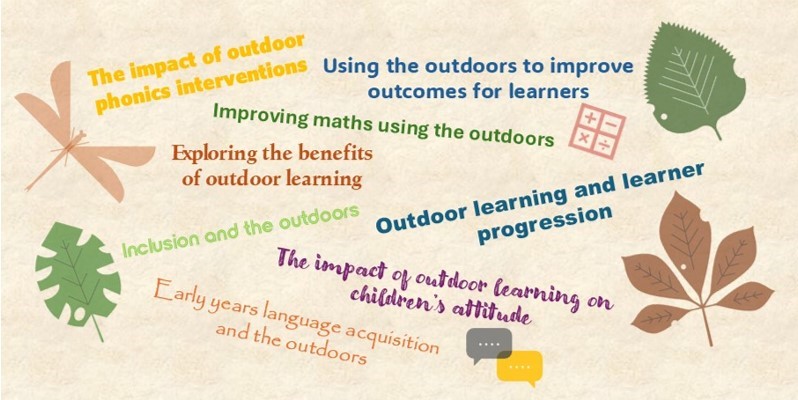
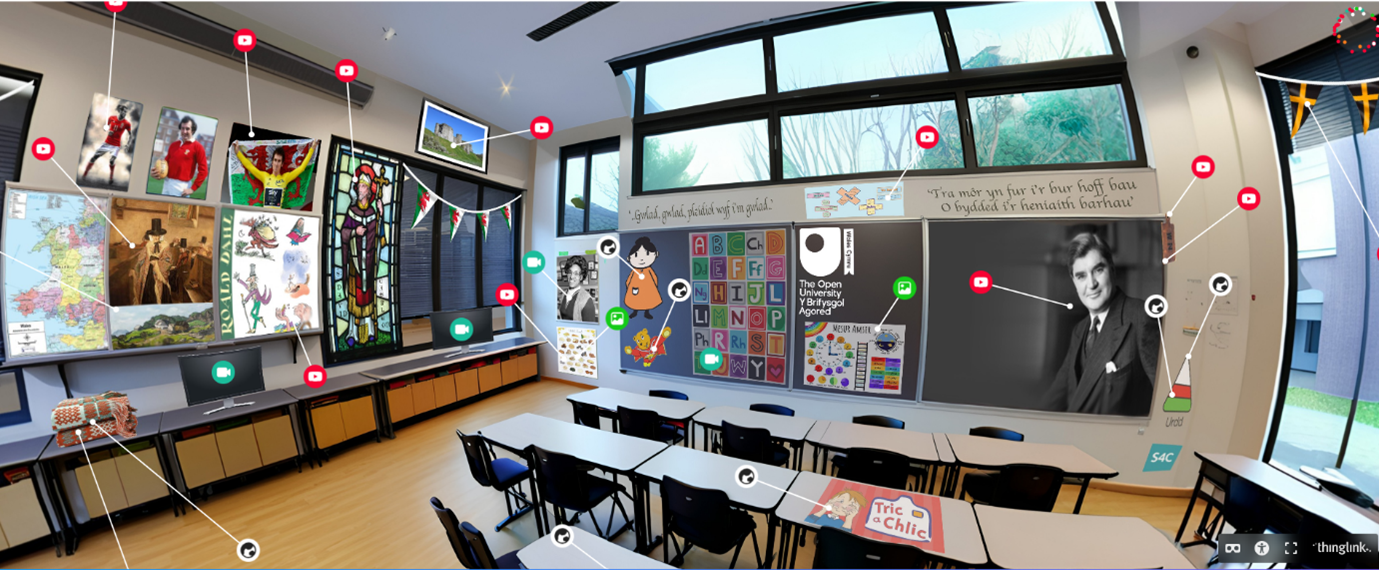
Many student teachers elect to complete their small-scale professional enquiry on a topic aligned to sustainability. For example Cynefin (belonging), well-being and outdoor learning. Cynefin is particularly significant as student teachers focus on the importance of local community, heritage and culture. More recently the PGCE programme has increased the application of 360° immersive technology. Student teachers can experience different classroom environments without the need to travel; for example a Welsh classroom: https://www.thinglink.com/scene/1902353328067576485. An extensive resource base is also available for student teachers to develop their digital knowledge and understanding.
It is important that we critically reflect on sustainability initiatives, to ensure that we understand and call out ‘greenwashing’ and misinformation about climate change and sustainability. The Open University supports all educators to develop their professional practice, with free training and materials available to contribute to understanding sustainability (e.g. an OpenLearn Create course - Sustainable Pedagogies). Specific elements of the PGCE Programme’s content such as understanding unconscious bias, meeting the needs of a diverse range of learners, climate literacy, citizenship, and exploring Children’s Rights and inclusion all contribute to motivating student teachers to continue to develop their own knowledge and understanding of sustainability and environmental education.
Creativity and problem solving are central to the Curriculum for Wales and a well-informed teacher workforce needs to have a positive impact on ensuring the future citizens of Wales possess the skills to tackle future problems as they arise. Looking towards an ever-changing horizon, empowering future agents of change will truly create a generation of ethically informed citizens.
Request a prospectus
Explore our qualifications and courses by requesting one of our prospectuses today.


Explore

Undergraduate
Postgraduate
Policy
-
Follow us on Social media
-


