

Blog
In this series of blogs, HERC takes a multidisciplinary approach to exploring harmful evidence and evidencing harm. We consider the roles of harm and crime, uses and abuses of evidence in criminal justice and criminalisation to de-criminalisation.
** All views in the blogs are the author’s own.
-
Why context matters in the trans prisoner policy debates
In this article, Sarah Lamble sets out some of the issues in policy debates on trans prisoners. Sarah Lamble is a Reader in Criminology & Queer Theory at Birkbeck, University of London.
9th September 2019 -
The Johnson Government: Working for the Brexit Clampdown
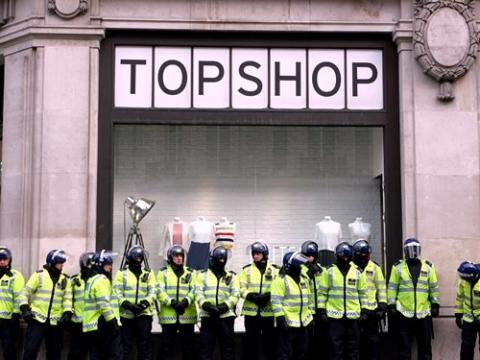
In this week's post, Joe Sim and Steve Tombs explore the upcoming no-deal Brexit's connections to the government's expositions on law and order.
19th August 2019 -
A sinister plan….
In this video, Dr Jovan Byford from the School of Psychology and Counselling introduces his research on conspiracy theories.
7th August 2019 -
Forensics: fact or fiction?
In this film, Dr Jim Turner, Senior Lecturer in Forensic Psychology, looks at ‘the CSI effect’ and explains why forensic science doesn’t always provide the answers.
5th August 2019 -

Telling Tales: what is happening on police Facebook sites?
In this month's article, Zoe Walkington, Senior Lecturer in Psychology, and Graham Pike, Professor of Forensic Cognition, both at the Open University, discuss the police and their use of social media, specifically Facebook.
17th June 2019 -
Grenfell Tower and Social Murder
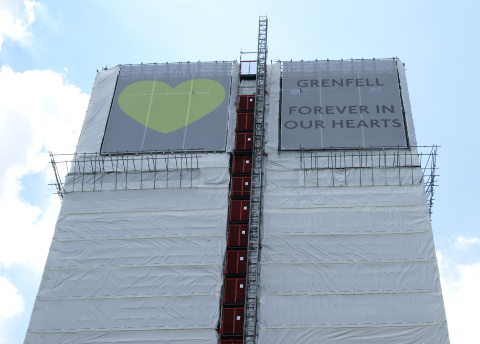
In this post, David Scott, an Open University academic, and Sian Hamlett, the founder of Hamlett Films, discuss the creation of Grenfell Tower and Social Murder.
29th May 2019 -

Should members of the public report dangerous drivers…even if they’re celebrities?
In this week's blog, Gemma Briggs discusses whether the public should report dangerous driving by celebrities.
14th May 2019 -

Police photo lineups: how background colours can skew eye witness identification
Catriona Havard, The Open University and Martin Thirkettle, Sheffield Hallam University, explore how background colours can impact identification by eye witnesses.
10th May 2019 -
Crime, harm and the question of justice: an interview with Samantha Fletcher
This post features a conversation with Samantha Fletcher, lecturer in criminology at Manchester Metropolitan University, on crime, harm, and global justice. It was originally posted on Commonweal on 26 February 2019.
14th March 2019 -
Hearing voice and recognising privilege: Engaging in non-reciprocal dialogue
In today's post, David Scott explores listening, privilege, and the position of academics and activists when discussing prison abolition.
11th March 2019


Explore

Undergraduate
Postgraduate
Policy
-
Follow us on Social media
-


